History of tapeball cricket 2025
Introduction: What is Tapeball Cricket?
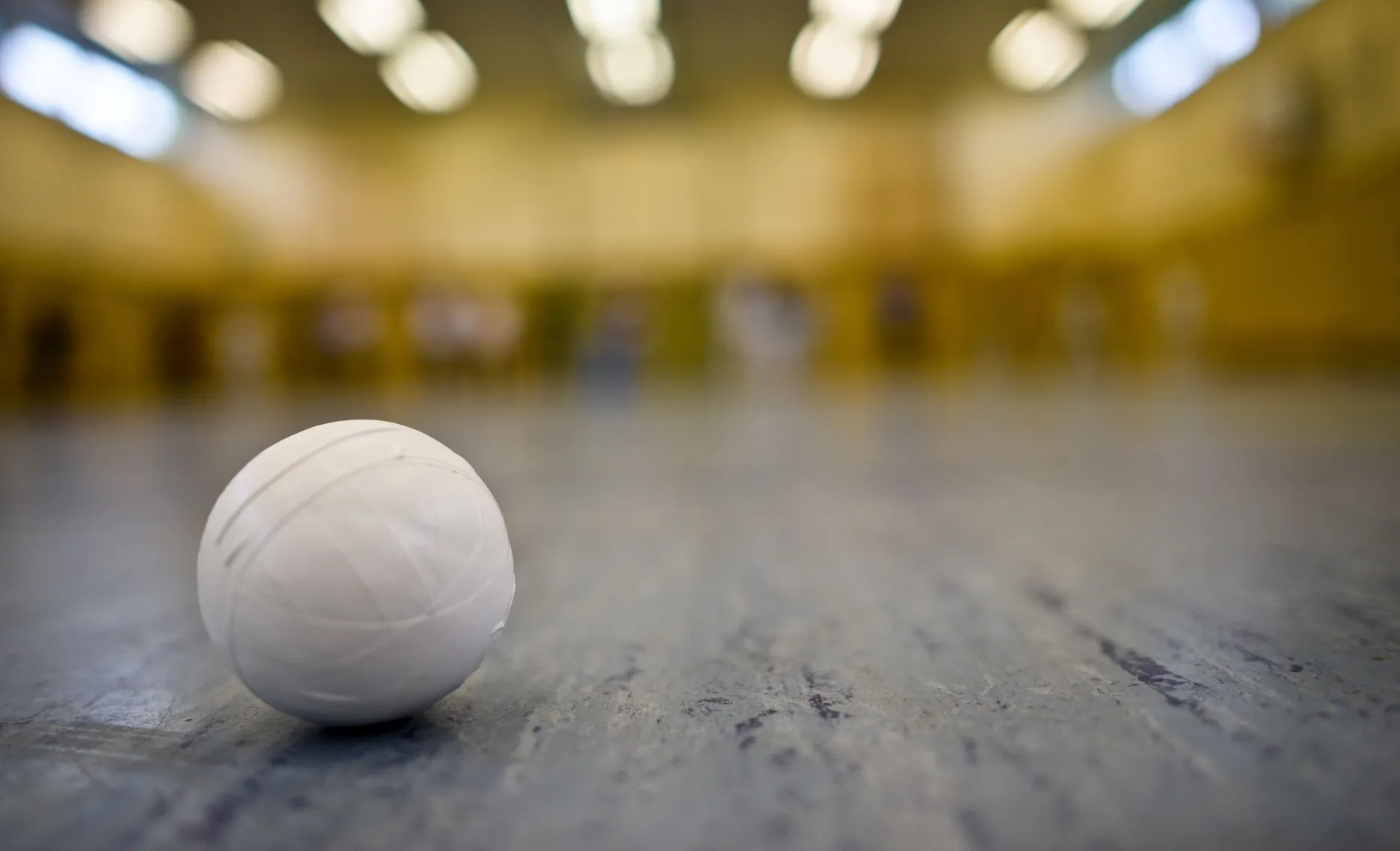
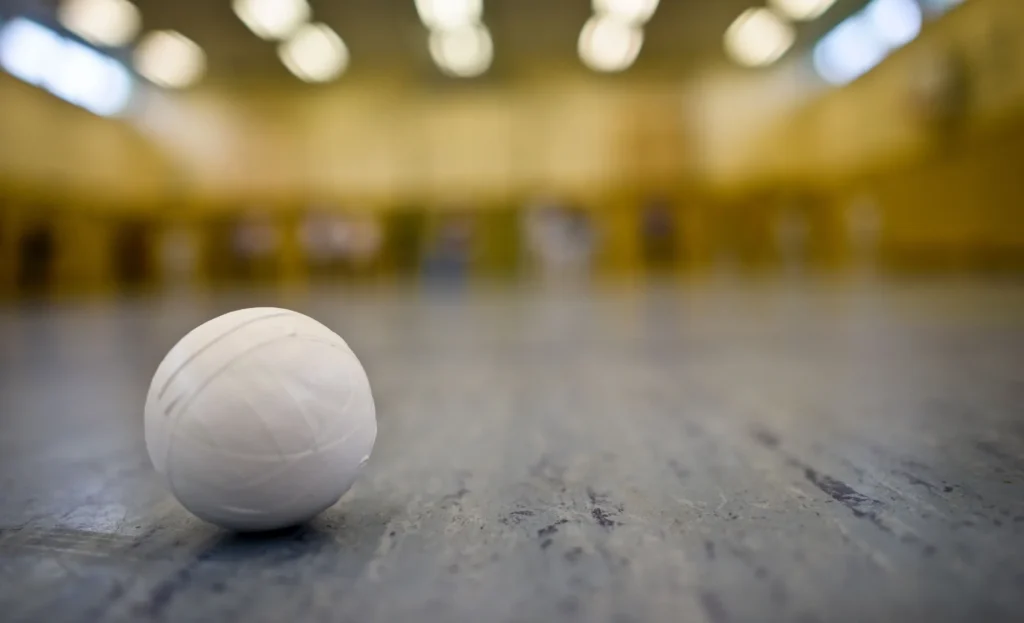
The history of tapeball cricket is rooted in the informal street games of Pakistan, where the game was adapted for limited spaces and minimal equipment. Played with a tape-wrapped tennis ball, tapeball cricket is a safer and more accessible form of cricket. It is popular in South Asia and has spread to various countries, offering an alternative to traditional cricket. This article will delve into the history of tapeball cricket, tracing its origins, evolution, and the factors that have contributed to its global appeal.
1. The Origins of Tapeball Cricket
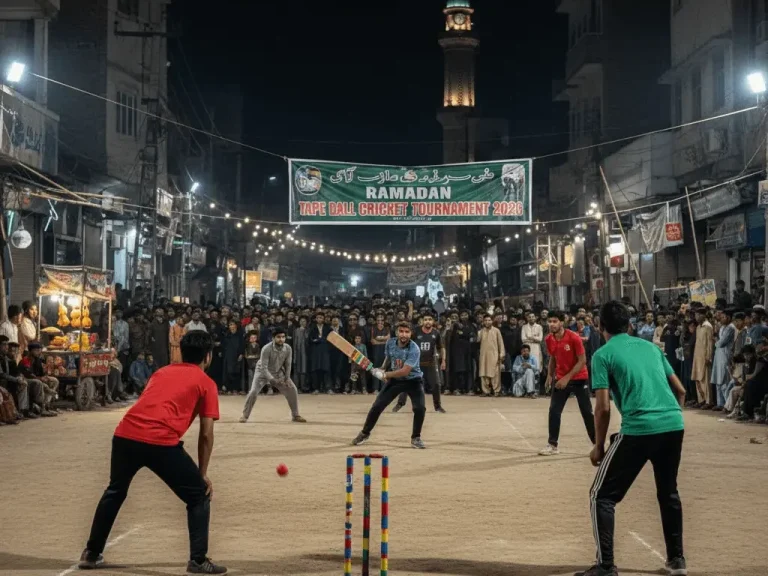
The history of tapeball cricket can be traced back to the 1970s in Pakistan, where players in urban areas began using a tennis ball wrapped in tape as a substitute for the traditional cricket ball. This modified them to play cricket in narrow streets and parks without the danger of ruining the property. The simplicity of the game and the use of materials that were easily available made it accessible to people of all ages. Over time, the history of tapeball cricket expanded beyond Pakistan, gaining popularity in neighboring countries like India and Sri Lanka.
2. Evolution of Tapeball Cricket
In the 1980s and 1990s, the history of tapeball cricket saw a significant shift from informal street games to more organized competitions. Tournaments did start to emerge and during the early years of the millennium, tapeball cricket leagues are hosted in various regions. The game became more prominent because it was a chance for the young cricketers to practice their skills and particularly those who had limited access to traditional cricket facilities. The internet also played a pivotal role in spreading the history of tapeball cricket, as players from different parts of the world shared their experiences and strategies online.
3. Why Tapeball Cricket Became So Popular
The rise in the history of tapeball cricket can be attributed to several factors. First of all, the sport is incredibly easy to play and requires little in the way of equipment: a tennis ball, a bat and some basic protective gear. This simplicity made tapeball cricket excellent for informal games in urban contexts. Additionally, the soft tennis ball means that there are fewer chances of injury, the sport is safer than traditional cricket. As a result, the history of tapeball cricket is deeply connected to community-based play, where people of all ages come together to enjoy the game.
4. Tapeball Cricket Today
Today, the history of tapeball cricket has evolved from an informal pastime to a legitimate competitive sport. Organized tournaments and leagues are growing in number and the sport is gaining recognition in countries such as Pakistan and India. Tapeball cricket is also continuously played; parks and streets are the venues favored by lovers still being in the grassroots. Social media has helped promote the history of tapeball cricket, enabling fans to connect, share videos, and keep up with the latest developments in the sport.
5. Future of Tapeball Cricket
The history of tapeball cricket is still unfolding, with a promising future ahead. As more people take up the sport and participate in organized leagues, tapeball cricket is expected to grow globally. New developments in equipment, such as specialized bats and balls, will likely enhance the playing experience and improve the quality of competitions. The increasing popularity of tapeball cricket is also helping bring the sport closer to mainstream recognition.
6. FAQs about Tapeball Cricket
1. What is the difference between tapeball cricket and regular cricket?
Tapeball cricket uses a tape-wrapped tennis ball, while regular cricket uses a hard ball. Tapeball cricket is often played in smaller spaces, making it more accessible and safer.
2. Where did tapeball cricket originate?
Tapeball cricket originated in Pakistan in the 1970s, where it was created as an alternative to traditional cricket in urban areas with limited space.
3. Can tapeball cricket be played indoors?
Yes, tapeball cricket can be played indoors due to the soft nature of the ball, reducing the risk of damage to surroundings.
4. What equipment is required for tapeball cricket?
The game only requires a tape-wrapped tennis ball, a cricket bat, and minimal protective gear such as gloves.
5. Are there any professional tapeball cricket leagues?
Yes, there are local and regional tapeball cricket leagues, especially in countries like Pakistan and India, where the sport has gained significant popularity.
6. Is tapeball cricket suitable for all ages?
Yes, tapeball cricket is ideal for all age groups. Its soft ball and simple rules make it suitable for both kids and adults.
Conclusion
The history of tapeball cricket highlights how a simple, street-based game has become a globally recognized sport. From its humble beginnings in Pakistan to the formation of leagues and tournaments, tapeball cricket has proven to be accessible and safe for players of all ages. As it continues to grow in popularity, the history of tapeball cricket will remain an important part of the cricket world, offering an alternative pathway for players to develop their skills and compete at higher levels.