Benefits of Tape Ball Cricket 2026
Living in Rawalpindi means you’re smack in the middle of where tape ball cricket pulses strongest—those narrow streets, open maidans, and late-night games under floodlights are basically our backyard. As of March 2026, with the Pakistan Tapeball Championship just wrapping up (Gujranwala Wasif Sports lifted the trophy after an epic run at DHA Multan from March 1-8), tape ball is exploding even more. Organized events, big prize pools (some hitting 1.5 crore), live streams, and stars like Taimoor Mirza, Khurram Chakwal, and Fahad Mian Channu drawing massive crowds show it’s no longer just street fun—it’s a real pathway. Let’s dive deep into the Benefits of Tape Ball Cricket and why it’s such a massive deal right now.

What Makes Tape Ball Cricket So Addictive?
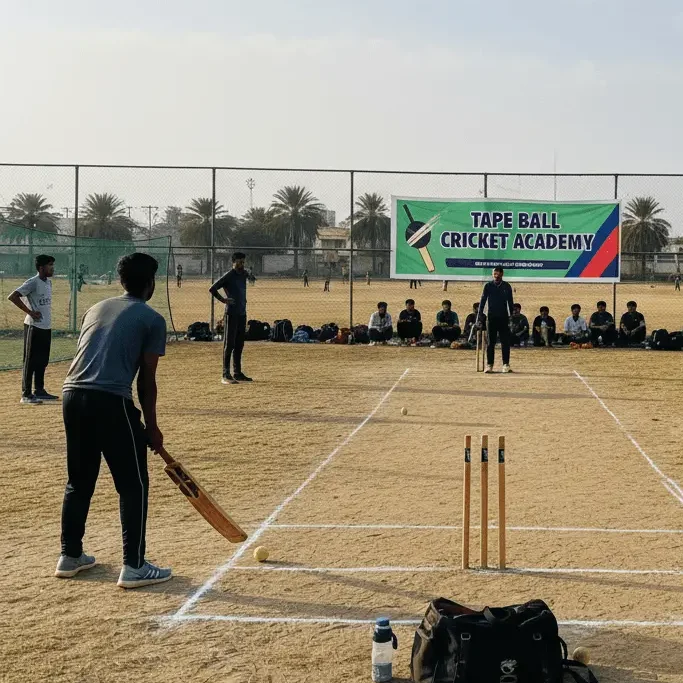
Tape ball cricket is the raw, unfiltered version of our beloved game. Take a standard tennis ball, wrap it tightly with electrical tape (often one side glossy for reverse swing magic), and it transforms: heavier, faster, swinging sharply, bouncing low on concrete or uneven pitches. Bowlers get wicked pace and movement, batsmen face real tests of timing and power, and the whole thing feels closer to pro cricket than plain tennis ball ever could.
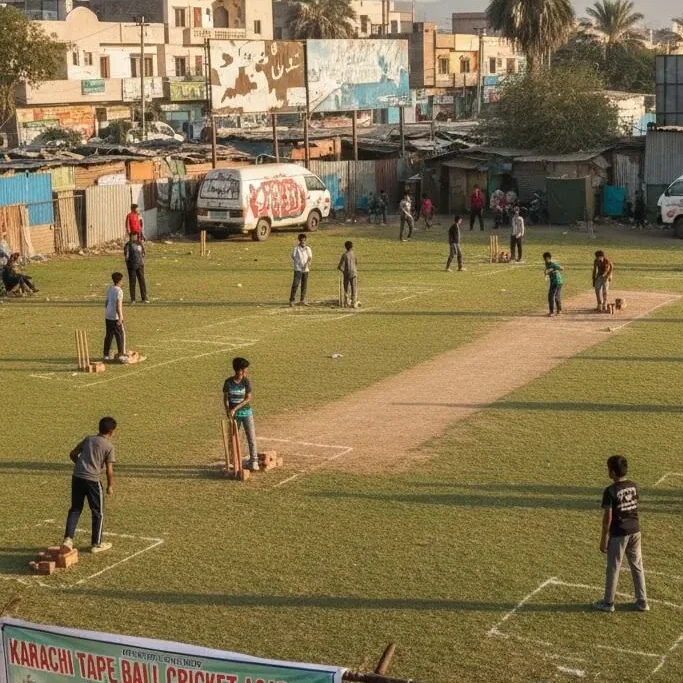
No need for leather balls, pads, helmets, or massive grounds. Play it in your gali, on rooftops, in parks, or empty plots—anywhere with a bit of space. That’s why it’s everywhere in Pakistan, from Karachi’s Nazimabad (where many say it originated in the 80s to counter legends like Nadeem Moosa) to Rawalpindi’s buzzing neighborhoods. And in 2026, with national championships and regional tournaments popping up, the benefits of tape ball cricket are reaching new heights.
Top Benefits of Tape Ball Cricket for Players and Communities
The benefits of tape ball cricket are huge, touching skills, health, money matters, talent spotting, and even social life. Here’s a closer look:
Insane Skill Development:
The taped ball’s unpredictable swing, extra zip, and variable bounce force quick reactions. Batsmen learn to play late, drive powerfully in tight spaces, and handle pace without fancy footwork. Bowlers hone yorkers, bouncers, slower balls, and that deadly late inswing—skills that directly translate to red-ball or white-ball cricket. Legends like Wasim Akram, Waqar Younis, Shoaib Akhtar, Mohammad Amir, and modern stars like Haris Rauf and Shaheen Afridi all sharpened their edge in tape ball days. The benefits of tape ball cricket here are clear: it’s intense, daily practice that builds muscle memory fast. In today’s fast T20 world, that street-honed aggression is gold.
Affordability and Total Accessibility:
Professional cricket can cost a fortune—bats, pads, coaching, travel. Tape ball? A tennis ball (50-100 rupees), a roll of tape, a basic bat, and friends. No fees, no clubs required. This levels everything: kids in villages, low-income families, or remote areas play freely. The benefits of tape ball cricket shine brightest in inclusivity—it’s cricket for the masses, like football globally. In a country where resources are limited, this keeps the sport alive and growing without barriers.
Producing World-Class Fast Bowlers:
Pakistan’s pace legacy? Tape ball is the secret sauce. The heavier taped ball demands high arm speed for real pace, teaching control and variations. Bowlers experiment fearlessly—slingy actions, finger spin, seam movement—all safe on softer balls. From Shoaib Akhtar’s thunder to today’s express quicks, tape ball breeds fire. One of the standout benefits of tape ball cricket is this factory of pacers; it’s why we keep dominating fast bowling even when batting struggles.
Boosting Physical Fitness Naturally:
Forget gyms—tape ball is explosive cardio. Sprinting for twos/threes, diving stops, chasing boundaries, constant movement. It builds agility, stamina, core strength, and hand-eye coordination without feeling like exercise. In 2026, with more people glued to phones, the benefits of tape ball cricket for health are huge: kids stay active, burn energy positively, and build lifelong fitness habits through fun.
Uncovering Hidden Talent Nationwide:
Street games and local tournaments spot raw gems early. Guys who smash sixes or bowl unplayable stuff get noticed, then move to bigger events. The recent Pakistan Tapeball Championship 2026 (won by Gujranwala Wasif Sports) featured legends like Taimoor Mirza and gave platforms with prize money and visibility—some winners get pro trials or sponsorships. The benefits of tape ball cricket include turning neighborhood heroes into potential stars; it’s our grassroots scouting system.
Building Teamwork, Friendships, and Community Spirit:
Games are social: played with brothers, cousins, neighbors. You argue lbw calls, celebrate wickets, share snacks after. It teaches leadership, handling pressure, and bonding. Whole mohallas come alive during Ramzan nights or big tourneys—families watch, women join more now, communities unite. The benefits of tape ball cricket extend to mental health too: stress relief, confidence, lasting friendships in a divided world.
Fast-Paced, High-Entertainment Value:
Matches last 5-10 overs per side—every ball matters. High scores, massive sixes, dramatic collapses—pure thrill. No boring overs; it’s edge-of-seat action. The benefits of tape ball cricket make it addictive entertainment, perfect for short attention spans and viral clips on social media.
The 2026 Evolution: From Streets to Structured Glory
Tape ball isn’t standing still. The Pakistan Tapeball Championship 2026 (Feb 28-March 8 in Multan) brought new rules, big crowds, live coverage on platforms like Myco, and serious prizes. Teams battled fiercely, with standout performances and emerging talents. It’s commercializing the format—sponsors jumping in, viewership soaring—while keeping the street soul. This evolution amplifies all the benefits of tape ball cricket, creating real career paths.
Conclusion
Tape ball cricket is Pakistan’s heartbeat—raw, passionate, unbreakable. The benefits of tape ball cricket—skill sharpening, affordability, pace production, fitness, talent discovery, community bonds, and sheer fun—make it irreplaceable. From legends starting on dusty pitches to today’s national champs, it proves talent can rise anywhere. In Rawalpindi, grab a ball, tape it up, rally your crew, and play. You might just be the next big thing—or at least make memories that last forever. The game’s in our blood, and in 2026, it’s stronger than ever.
FAQs on Benefits of Tape Ball Cricket
- What are the main benefits of tape ball cricket for skill building?
- It sharpens reflexes, timing, swing control, and aggressive play under real pressure.
- How do the benefits of tape ball cricket make it accessible to everyone?
- Minimal cost and no need for big grounds let anyone from any background play.
- Why are the benefits of tape ball cricket key for fast bowlers in Pakistan?
- The taped ball builds pace, variations, and confidence that translate to pro levels.
- Can the benefits of tape ball cricket improve overall fitness?
- Yes—explosive running, fielding, and action deliver great cardio and agility.
- Do the benefits of tape ball cricket help discover new talent?
- Absolutely—tournaments like the 2026 championship spotlight street stars for bigger opportunities.
- What social benefits of tape ball cricket stand out in communities?
- It fosters friendships, teamwork, and brings neighborhoods together for fun and support.