
How to play tape ball cricket 2025
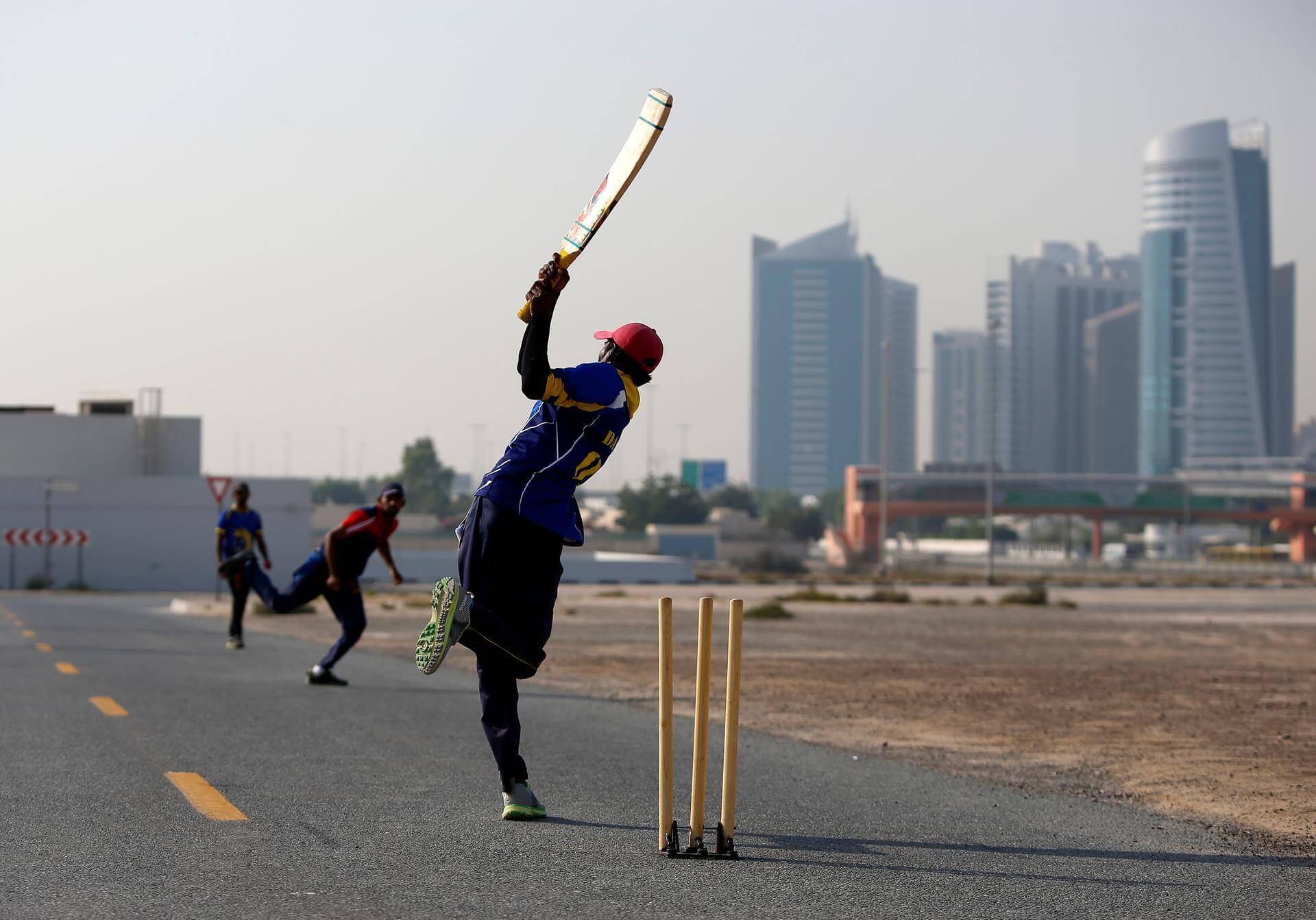
Guide on how to Play Tape Ball Cricket
Tape ball cricket has become one of the most loved variants of cricket, particularly in informal settings. It’s a lighter and more accessible version of the sport, primarily due to the soft, tape-wrapped tennis ball used in place of the traditional hard leather ball. While the rules and techniques are almost similar to standard cricket, playing tape ball cricket offers a unique, fun, and dynamic experience. Whether you’re playing with friends in a park or setting up a competitive match.
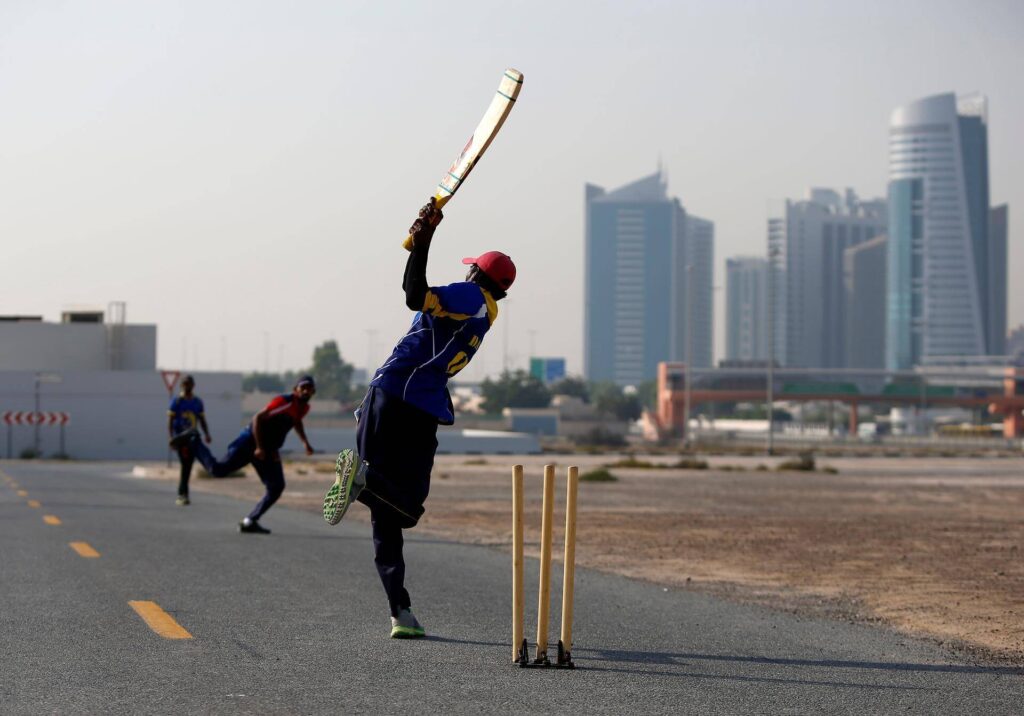
here’s a guide on how to play tape ball cricket and make the most of this exciting game.
Introduction to Tape Ball Cricket
Tape ball cricket has taken the world by storm, particularly in countries like Pakistan, India, and Bangladesh. It is often played in streets, parks, and open spaces where there isn’t much room for a professional cricket match. Unlike traditional cricket, which requires expensive gear and larger playing fields, tape ball cricket is a more flexible, street-friendly version. The game is typically played with a tennis ball wrapped in tape, which makes it much softer and easier to handle, especially for casual players.
What is Tape Ball Cricket?
Tape ball cricket is a variant of cricket that utilizes a tennis ball wrapped with adhesive tape. The game follows similar rules to standard cricket but has a few key differences. The tape on the ball affects how it bounces and moves, making it easier to handle for beginners and providing a more laid-back experience for casual players. The game is often played in informal settings with modified rules based on space and the number of players. While it’s not played professionally, tape ball cricket has a huge fan base and has even led to local tournaments in some regions.
The Equipment Needed for Tape Ball Cricket
Playing tape ball cricket requires minimal equipment, which is part of its charm. Here’s a list of essentials:
- Tape Ball: The main difference between tape ball cricket and regular cricket is the ball. A tennis ball wrapped in adhesive tape creates a soft, bouncy ball that is easier to handle and less likely to cause injury.
- Bat: Tape ball cricket bats are lighter and flatter than regular cricket bats. They’re designed to be easier to swing and offer better control when playing with the softer tape ball.
- Protective Gear: Though the ball is softer, it’s still important to wear gloves, abdominal guard. Especially when batting or fielding close to the batter.
- Clothing: Comfortable sportswear that allows for free movement is essential. Many players prefer to wear lightweight, breathable fabrics to stay comfortable while playing.
Setting Up the Game
To play a game of tape ball cricket, you’ll need a few simple setups:
- Space: Choose a large open area with enough room for batting, bowling, and fielding. You can play in a park, a wide street, or any open space.
- Teams: Teams can consist of 5 to 11 players, depending on how many people are playing. You can have a standard batting team and fielding team, or you can play in a casual manner where everyone gets a turn to bat and bowl.
- Wickets: Wickets can be set up using makeshift materials like sticks or posts. In some cases, a wall can serve as the “boundary” or “wicket” if you’re playing in a confined space.
Basic Rules of Tape Ball Cricket
While the rules of tape ball cricket are similar to traditional cricket, here are the key differences and basic rules:
- Overs: A match usually consists of a set number of overs, typically ranging from 5 to 20 overs per side. The team that scores the most runs after all overs have been bowled wins.
- Bowling: Bowlers must deliver the ball underarm or overarm. In some variations of tape ball cricket, bowlers may bowl with a slower pace to accommodate the lighter, softer ball.
- Batting: Batting can be done in any style, though players usually prefer to focus on timing rather than power due to the lighter ball.
- Runs: Runs are scored by hitting the ball and running between the wickets or by hitting boundaries—four runs for the ball hitting the ground before crossing the boundary line and six runs for the ball clearing the boundary.
How to Bat in Tape Ball Cricket
Batting in tape ball cricket is all about timing and control. Since the tape ball is lighter than a leather ball, it requires players to focus more on technique. Here are some tips for batting effectively:
- Focus on Timing: Since the ball moves slower than a leather ball, timing becomes crucial. Hit the ball when it’s in line with your bat for better control and placement.
- Short Shots: Due to the softer nature of the ball, hitting for power is less important than making sure the ball goes where you want it to. Focus on timing rather than trying to hit long distances.
- Placement: Aim for gaps in the field rather than trying to clear the boundary. Place the ball strategically to score runs consistently.
How to Bowl in Tape Ball Cricket
Bowling in tape ball cricket also requires a unique approach. Due to the soft nature of the tape ball, bowlers often rely on accuracy, spin, and bounce to deceive the batsman.
- Control Over Speed: Since the tape ball doesn’t travel as fast as a leather ball, it’s essential to focus on control and precision. Slower deliveries, cutters, and spin balls often work well.
- Spin Bowling: One of the key advantages of tape ball cricket is that it allows bowlers to experiment with different spins. The rough surface of the tape-wrapped ball helps generate spin, making it an exciting challenge for batsmen.
- Line and Length: Keep the ball in line with the stumps and focus on varying lengths to keep the batsman guessing.
Fielding Techniques in Tape Ball Cricket
Fielding in tape ball cricket is much like traditional cricket, but there are a few key differences:
- Slip Fielders: Since the tape ball can be unpredictable, having slip fielders or close-in fielders is a good strategy.
- Catching: With the softer ball, catching can be easier but more challenging due to its bounce. Always be ready for unexpected movement off the ground.
- Positioning: Place fielders strategically based on the batsman’s strengths and weaknesses.
Understanding the Scoring System
In tape ball cricket, runs are typically scored in the following ways:
- Running: Players can score by running between the wickets.
- Boundaries: Hitting the ball to the boundary scores four runs, while clearing the boundary (without it touching the ground) scores six runs.
- Extras: Extras can be awarded in the form of wides, no-balls, and byes, just like in standard cricket.
Strategies for Winning Tape Ball Cricket
Winning a tape ball cricket match requires both individual skills and strong teamwork. Here are some strategies for success:
- Team Communication: Communicate effectively with your teammates to make decisions on field placements, batting order, and running between the wickets.
- Target Weaknesses: Analyze the opposition’s strengths and weaknesses and adjust your game plan accordingly. For example, use spin bowling to target a batsman who struggles with it.
- Batting Partnerships: Build partnerships by rotating the strike and playing sensible cricket, especially when chasing a total.
How Tape Ball Affects the Game
The tape ball itself impacts every aspect of the game. The tape around the ball provides more bounce and a slower pace, making it easier for bowlers to experiment with spin and bounce. However, it also requires batters to adjust their technique, focusing on precision and placement rather than sheer power.
How to Play Tape Ball Cricket in Small Spaces
Tape ball cricket is ideally suited for small spaces. You can play in a street, alley, or small park with some adjustments to the rules:
- Boundaries: Establish boundaries using walls or other makeshift markers.
- Overs: Reduce the number of overs or play fewer players if space is tight.
- Wickets: Use anything from sticks to walls as wickets.
FAQs
1. What makes tape ball cricket different from regular cricket?
Answer:
The ball defines the main distinction between these cricket types. Tape ball cricket uses tennis balls taped around them so players receive bouncier balls than those played with authentic leather balls. The taped ball creates special characteristics that modify speed and bounce and produces spin-based motion which makes tape-ball cricket stand apart as a simple form of cricket
.2. What equipment is needed to play tape ball cricket?
Answer:
- Tape ball
- Bat (lighter and flatter than a regular cricket bat)
- Protective gear (gloves, pads, and sometimes a helmet)
- Comfortable sportswear
3. How are the rules of tape ball cricket different from traditional cricket?
Answer:
- Bowlers may bowl underarm or overarm.
- Bowlers often bowl slower due to the softer ball.
- Batting emphasizes timing and placement rather than power.
- Boundaries are often adjusted based on the playing area.
4. How can I improve my batting in tape ball cricket?
Answer:
- Focus on timing and precision.
- Hit the ball in line with the bat for better control.
- Aim for gaps in the field rather than trying to hit boundaries.
5. How can I improve my bowling in tape ball cricket?
Answer: Control your speed and focus on accuracy.
- Experiment with spin and bounce due to the ball’s characteristics.
- Vary your line and length to keep the batter guessing.
6. Can I play tape ball cricket in small spaces?
- Answer: Absolutely! Tape ball cricket is perfectly suited for small spaces. You can adjust the rules, such as reducing the number of overs and using makeshift boundaries to accommodate smaller playing areas.
7. What are some key strategies for winning a tape ball cricket match?
Answer:
- Communicate effectively with your teammates.
- Analyze the opposition’s strengths and weaknesses.
- Build strong batting partnerships.
- Adjust your game plan based on the conditions.
Conclusion
Tape ball cricket is a fun and accessible way to enjoy the sport of cricket without requiring a large field or expensive equipment. Whether you’re playing casually with friends or looking to develop your skills in a more relaxed setting, this game offers something for everyone. By mastering the basic rules and techniques, you can enjoy a game that combines the fun of cricket with the freedom to adapt to any environment. So, gather your friends, grab a tape ball, and start playing!