TAPE BALL CRICKET PITCH SIZE 2025

INTRODUCTION TO TAPE BALL CRICKET PITCH SIZE
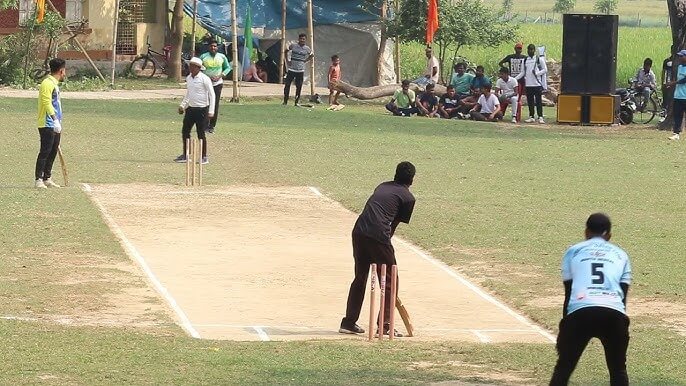
In tape-ball cricket, the pitch plays a crucial role, even if it’s different from the standard cricket format. Unlike standard cricket which has a specific pitch size, you can play tape-ball cricket on the streets, alleys, or any other area. Even in these informal settings, using a proper pitch width and length is crucial for the game’s flow and enjoyment.

If you’re setting up your match or tournament, understanding the ideal tape ball cricket pitch size and layout can help ensure the game feels more authentic and balanced. Let’s explore the details of the tape ball cricket pitch size and how you can set it up for your next match.
Standard Tape Ball Cricket Pitch Size
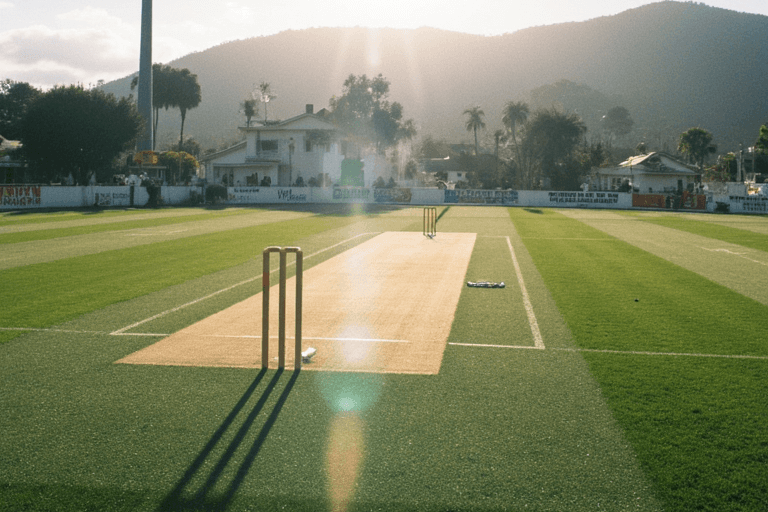
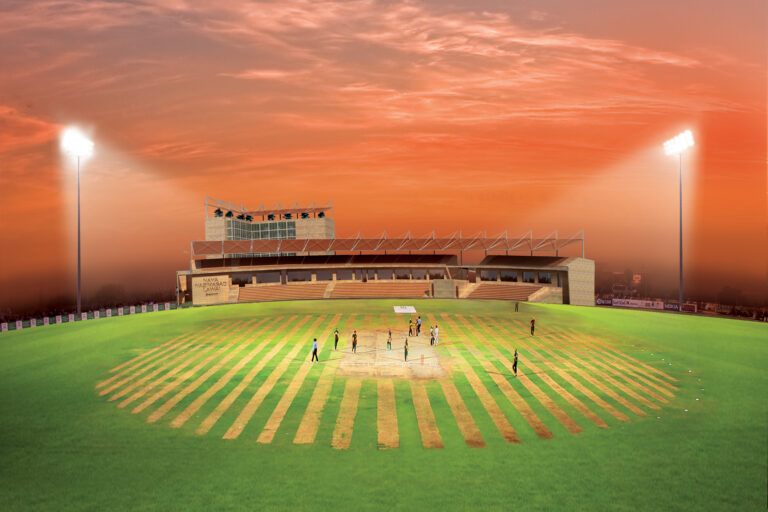
The pitch is 22 yards (66 feet) long in traditional cricket. However, the dimensions of tape ball cricket can vary based on the available space and the number of players involved. Generally, for tape ball cricket:
- Pitch Length: The typical length for a tape-ball cricket pitch is 16 to 20 yards (48 to 60 feet). This is shorter than a professional cricket pitch, which makes the game faster and more dynamic.
- Pitch Width: The width of the pitch for tape ball cricket can be about 8 to 10 feet, which is narrower than the standard professional pitch. The narrower pitch increases the intensity, requiring players to adapt quickly to fast deliveries or sudden changes in bounce.
The shorter pitch length encourages quicker deliveries and more action-packed moments. The ball will travel faster, and fielders must be alert and responsive.
Adjusting the Pitch Size Based on Available Space
One of the best things about tape ball cricket is its adaptability. If you’re playing in a park, on the street, or in a backyard, the dimensions of the pitch might not always be ideal. You can still have fun with the game by making adjustments the pitch size according to the space available:
- Street Matches: The pitch can be adjusted to the available road or open area on the street. The pitch length might shrink to 15 yards (45 feet) depending on how much space you have to work with. This makes the game faster and more exciting.
- Backyard Matches: In a backyard setup, the pitch might be smaller, typically ranging from 10 to 15 yards (30 to 45 feet). While it limits the range for some shots, it increases the fun factor since the game becomes more about quick reflexes and strategy.
- Park or Field Matches: If you’re playing on a larger open field, you can aim for a pitch size closer to 22 yards. This allows for more balanced gameplay, plenty of room for fielding, and more strategic batting.
Tape Ball Cricket Pitch Markings
In most cases, tape ball cricket is played without strict boundaries or marked lines, but if you want to set up a more formal match, here are a few tips on pitch markings:
- Bowling Crease: The bowling crease is where the bowler needs to stay behind while delivering the ball. In tape ball cricket, this is usually about 1-2 feet in front of the stumps.
- Batsman’s Crease: The batsman’s crease, where the batter stands to face the bowler, is generally marked at about 4 feet from the stumps.
- Stumps: Traditional stumps are used, but since the ball is softer and bouncier, you can use anything from wooden poles to a makeshift structure representing the wicket. Usually, the stumps are spaced at the standard 22 inches apart.
- Wide Lines and No-Ball Lines: Like in traditional cricket, you can mark the wide and no-ball lines to keep the game fair and structured. Regarding the no-ball line, it might be placed about one foot in front of the stumps, while the wide line should be set roughly three feet from the center of the pitch.
Why Pitch Size Matters in Tape Ball Cricket
Though tape ball cricket is often informal, having the correct pitch size can significantly affect the overall flow and enjoyment. Here’s why:
- Speed of the Game: With a shorter pitch, the ball hits the batter in less time, reducing the time to react. This increases the pace of play. All of this, in turn, makes the game a lot more fun and lively.
- Batting Strategy: A shorter pitch forces batsmen to adjust their timing and shot selection. In smaller fields, where the bounce is less moderate, decisive hitting is more important.
- Fielding Challenges: Fielders have less reaction time which results in them being faster which makes tape ball cricket more challenging for them and everyone else.
- Playing Conditions: Depending on whether you are playing in an open field or a confined space, the pitch size also adjusts. Smaller pitches make the game more compact and suited for a high intensity match.
Tips for Setting Up a Tape Ball Cricket Pitch
If you want to make your tape ball cricket game as authentic as possible, here are a few tips for setting up the perfect pitch:
- Measure the Available Space: Find the best open area and measure how long and wide the space is. Aim for a pitch size between 16 to 20 yards in length, adjusting according to your available space.
- Mark the Creases: While you don’t have to go overboard, marking the basic creases will make the game feel more structured. Use chalk, tape, or anything that marks the ground temporarily.
- Use Makeshift Stumps: If you don’t have traditional stumps, you can use bottles, shoes, or sticks. Make sure the stumps are stable and tall enough to be visible.
- Ensure Safe Boundaries: If you have space for boundaries, mark the perimeter of your playing area. If you’re playing on the street, ensure enough room for everyone to run without risk of traffic or other hazards.
FAQs About Tape Ball Cricket Pitch Size
1. What is the ideal pitch length for tape ball cricket?
The ideal pitch length for tape ball cricket is typically between 16 to 20 yards (48 to 60 feet), depending on the available space. In smaller areas, it can be reduced to 10 to 15 yards.
2. Can the pitch size be adjusted?
Yes! Tape ball cricket is incredibly adaptable. You can adjust the pitch size depending on the space available, whether you’re playing on a street, in a park, or in your backyard.
3. How wide should the tape ball cricket pitch be?
The width of the tape ball cricket pitch can range from 8 to 10 feet. This width keeps the game challenging but allows more effortless movement and shot execution.
4. How should I mark a tape ball cricket pitch if I don’t have access to official equipment?
Basic instruments like chalk and tape can be used to mark the stump and crease. Small items such as cans or shoes can also be utilized. The essence is that the playing area is well defined for everyone to play appropriately.
5. Is the tape ball cricket pitch the same as the traditional cricket pitch?
No, the tape-ball cricket pitch is shorter and narrower than the traditional pitch. Traditional pitches are typically 22 yards long, while tape-ball pitches are 20 to 24 yards long to accommodate faster play.
6. Can I play tape ball cricket without a marked pitch?
Yes! Tape ball cricket is often played informally, and many players use the available space without specific measurements. Even if the area is clear, you can still enjoy the game.
Conclusion
In tape-ball cricket, the size of the pitch significantly influences the pacing of the game. Understanding how to make the most of the available space can enhance one’s exposure to tape-ball cricket. Regardless of location, be it streets, parks, or backyards, the highlight should be the sought after experience.